Saher Prakash
Stereo
Cultural Codes
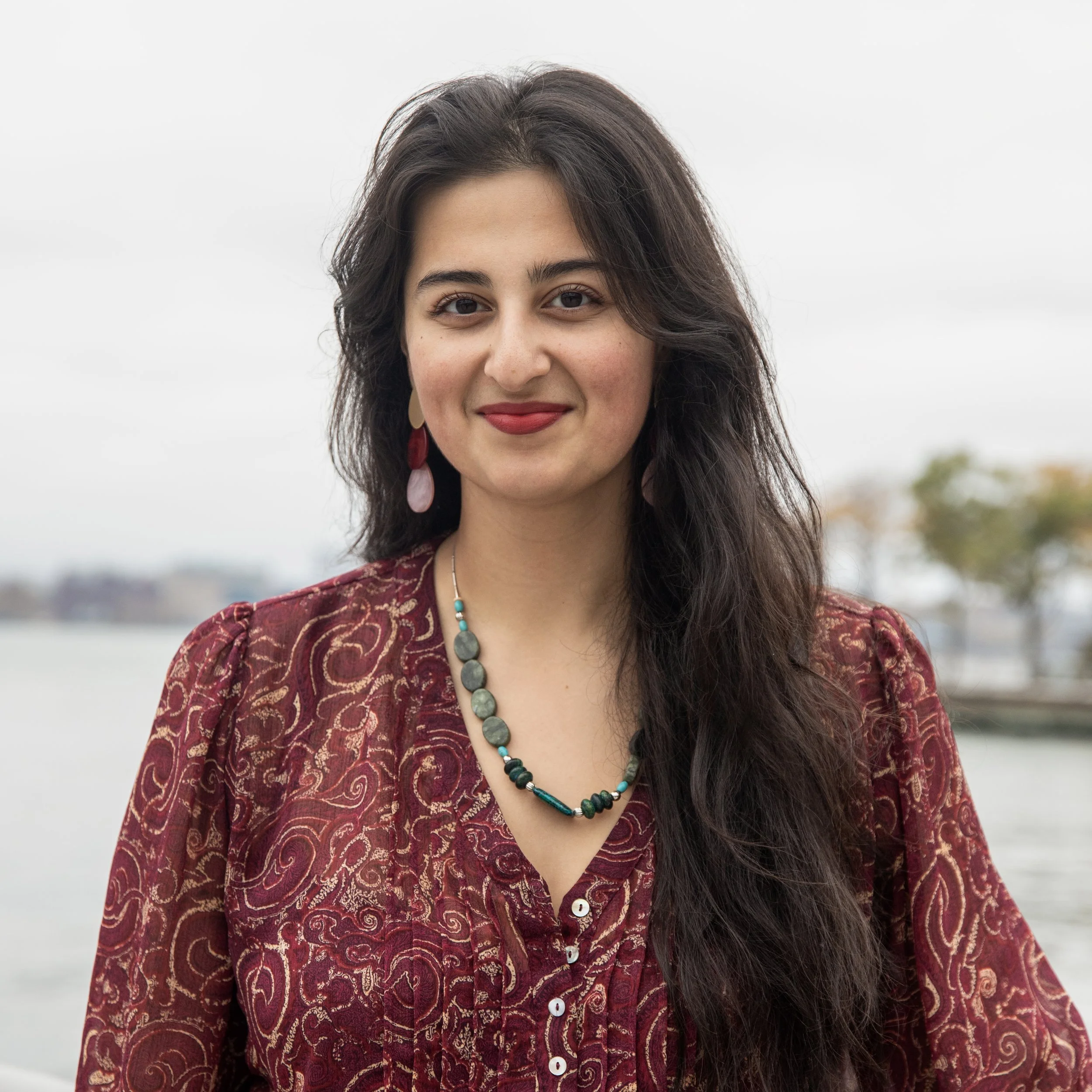
Saher Prakash
I’m a Seattle-based creative professional (formerly in New York) working across multimedia journalism, performance, research, and composition in music and language. I’ve worked with audio and video creatives, including the team behind the hit podcast Switched on Pop. I DJ and host shows under the alias Sap Radio at Moss Radio, a volunteer-run community station, and I’m the co-founder of FIELDWORKS, a multimedia journal created with Harvestworks Digital Media Arts Center.
At NYU, I designed my own undergraduate degree around the cultural study of language and music, exploring how we use media, creative expression, oral history, and everyday communication to make sense of the world. I’m interested in creating compelling content and art that build bridges between important, often inaccessible information and the people it matters to.
My independent research looks at the overlaps between language and music, particularly how bias shows up in the ways we hear, interpret, and make meaning.
This site is a portfolio and a living document of my ongoing work and study. Come learn with me :)
BA from New York University, Gallatin School of Individualized Study
Fieldworks Digital Journal
Produced and Edited by Saher Prakash
Created for harvest works digital media arts center

“genre myth” radio Segment
Hosted and Produced by Saher Prakash

Broadcasted Through Moss Radio
Rationale
Better in Stereo
By Saher Prakash
Language and music have long worked in tandem as powerful communicators. By exploring the relationship between them, we can better understand our connections to sound, expression, authenticity, and human connection. I like to frame my ideas around a central concept: language and music are the left and right brain counterparts, respectively.
Language is primarily left-lateralized in the brain, engaging the hemisphere associated with logic and analytical thinking – while music is right-lateralized – associated with creativity and intuition. Together, they mirror and balance each other, each shaping culture in distinct yet deeply interconnected ways. Yet public misconceptions about how language and music function as cultural tools persist. These misunderstandings – shaped by systemic oppression – create disconnection and harm Black, Brown, and other minoritized communities.
To begin healing systemic wounds and reimagining our educational framework, I’ve labeled my approach as “Stereo Cultural Codes.” This name suggests that two cultural inputs – language and music – are best understood when experienced as a cohesive expression, impression, and resonance. Within this stereo framework, structure and creativity, standardization and improvisation, coexist. By increasing public understanding of how language and music originate, influence each other, and operate behind the scenes, we can begin to hear the world differently – recognizing that both are meant to be experienced in stereo.
Read full rationale…